5 Warning Signs You Need AC Repair Before a California Heatwave
Learn the 5 warning signs you need AC repair in Chino, CA, to avoid a breakdown during a heatwave.
July 27, 2026


Homeowners in Chino and the surrounding Inland Empire experience a climate that is significantly more demanding on mechanical equipment than our neighbors in coastal Orange County. The combination of triple-digit summer temperatures and the dry, debris-heavy Santa Ana winds that arrive in late autumn creates a unique set of challenges for air conditioners, furnaces, and heat pumps. These environmental factors determine whether your system lasts its full expected lifespan of 15 to 20 years or requires an early, expensive replacement.
To protect your investment, Inland Empire HVAC maintenance is the most effective strategy. A well-maintained system can handle the seasonal transition from cooling to heating without a spike in energy costs or a mechanical failure. By understanding how our local weather impacts your equipment, you can take proactive steps to ensure your home remains comfortable throughout the winter nights ahead.
The primary reason systems struggle in the Inland Empire is the sheer volume of work they perform during the summer. When temperatures routinely exceed 100 degrees, air conditioning units must run longer cycles with shorter breaks. This constant operation places immense stress on the compressor, the heart of your cooling system. High heat causes electrical components like capacitors to degrade faster and can lead to the thinning of lubricants in the fan motors.
By the time late November arrives, your system has likely just finished several months of peak performance. If maintenance was skipped, the residue of that summer strain remains. Small issues, such as a slightly worn motor bearing or a loose electrical connection caused by heat-induced expansion, can turn into major failures when the system is forced to switch gears and provide heat during the first cold snap of the season.
In October and November, the Inland Empire often faces Santa Ana wind events. These winds carry significant amounts of fine dust, pollen, and wildfire particulates from the desert and surrounding hills. For your HVAC system, this airborne debris is a major threat to longevity. Dust accumulates on the evaporator coils and inside the blower assembly, which forces the system to work harder to move air through the home.
When airflow is restricted by dust and clogged filters, the system experiences increased static pressure. This makes the blower motor run hotter and consume more electricity. Furthermore, these winds significantly impact your indoor air quality. During this time of year, it is vital to check your air filters every 30 days and consider higher-efficiency filtration options that can capture fine particulates without suffocating your equipment. For more tips on managing your home environment during these transitions, visit our HVAC blog.
As we approach the end of November, the focus shifts from cooling to heating. Whether you use a traditional gas furnace or a modern heat pump, the transition period is when many problems emerge. If a furnace has sat dormant since early spring, it may have accumulated dust on the burners or developed issues with the ignition system. For heat pump users, the unit must reverse its operation to provide heat, a process that requires the reversing valve and outdoor fan to be in peak condition.
Professional Inland Empire HVAC maintenance during this season involves a thorough inspection of the heat exchanger for safety, cleaning the burner assembly, and ensuring the thermostat is communicating correctly with the equipment. If you use a heat pump, technicians will verify that the system can transition into heating mode efficiently without relying too heavily on expensive auxiliary heat strips during our cool Inland Empire nights.
During the windy months of late autumn, you should check your filter at least once a month. If you live in a particularly dusty area of the Inland Empire, you may find that the filter becomes saturated much faster than it does in the spring. A clean filter is the simplest way to prevent unnecessary motor strain.
This is a common occurrence in November. It is usually just the smell of dust that has settled on the heat exchanger over the summer being burned off. However, if the smell persists for more than an hour or is accompanied by unusual noises, you should turn the system off and schedule a professional inspection.
Yes, heat pumps are exceptionally well-suited for our climate. While we do have cool nights, we rarely experience the sustained sub-freezing temperatures that make older heat pumps struggle. They provide both efficient cooling in the summer and reliable heat in the winter, provided they receive regular seasonal tune-ups.
The transition from the scorching summer to the windy and cooler autumn months is the most critical time for your HVAC system. Taking the time to schedule professional Inland Empire HVAC maintenance now can prevent a mid-winter breakdown and ensure your system continues to serve your family for years to come. At ABC Heating & Air Conditioning, we specialize in helping Chino and Inland Empire homeowners optimize their systems for our specific local climate.
Do not wait for the first truly cold night to find out if your heating system is up to the task. Contact us today to schedule your seasonal maintenance visit and keep your home comfortable all year long. Visit ABC Heating & Air Conditioning to book your appointment.
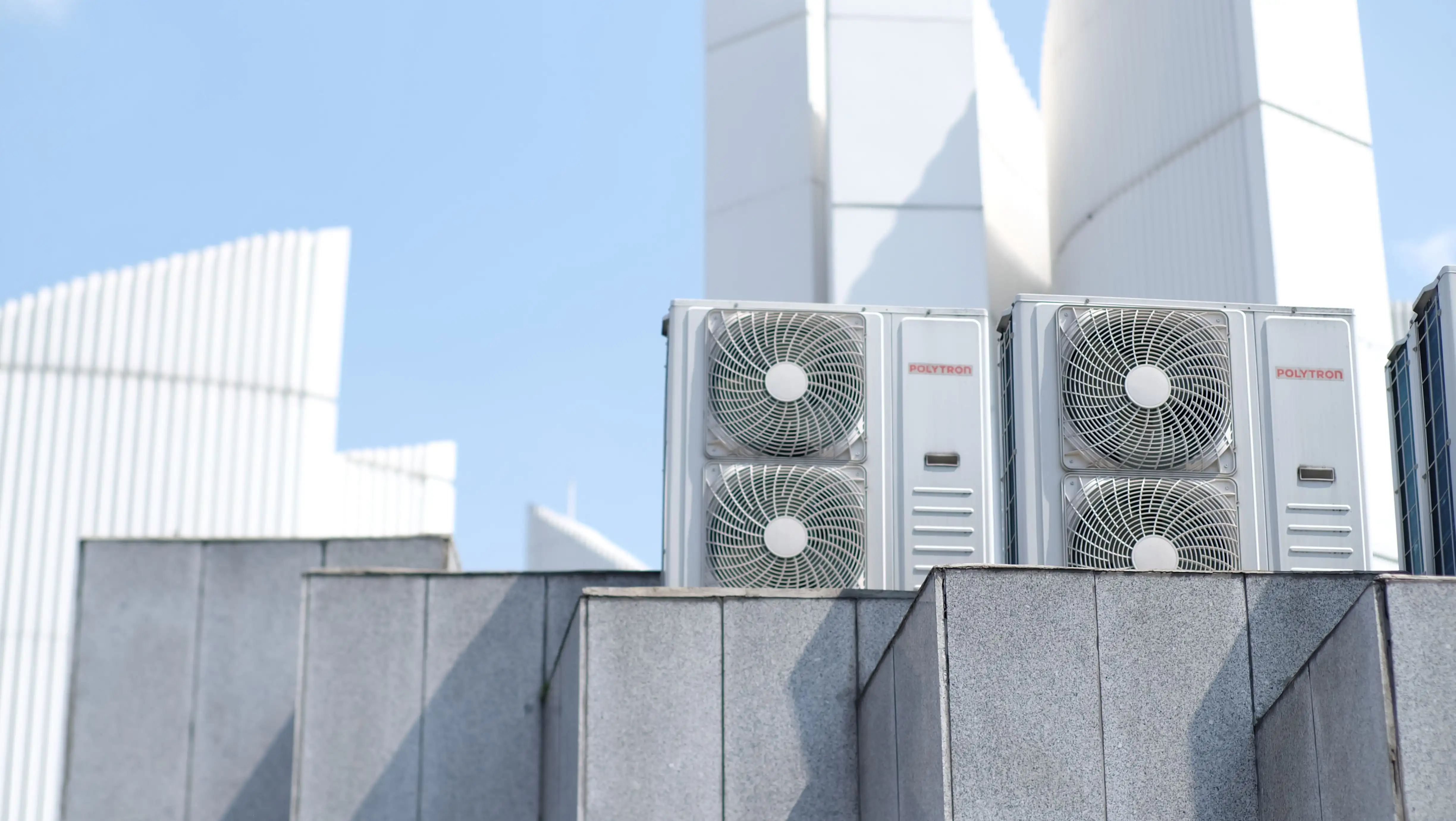
Learn the 5 warning signs you need AC repair in Chino, CA, to avoid a breakdown during a heatwave.
July 27, 2026
The unique climate of the Inland Empire, characterized by extreme summer heat and dusty Santa Ana winds, can significantly shorten the life of your heating and cooling systems. Learn how professional Inland Empire HVAC maintenance helps your equipment withstand these local environmental stressors.
November 25, 2026
Discover why whole house fans are the ultimate energy-saving secret for homeowners in the Inland Empire. Learn how this cooling technology works with our dry climate to slash your utility bills and keep your home comfortable.
October 14, 2026
"For a monthly fee Every six months they service my ac unit they call me ahead of time to schedule it. Always in time sending texts when they will arrive the fee is well worth it they do a through service making sure heater and AC is running properly the ABC team is great especially Mitchell"

"ABC will not disappoint! We are signed up for their maintenance program. So convenient and reasonably priced."

"Short story: My wife and I recently had our HVAC system replaced by ABC. We had been putting it off for years, and now that it's done, we wonder why we waited so long. We'll definitely be recommending ABC to our friends - everybody we interacted with was very friendly and easy to work with. I wish all contractors were this easy. ABC, any interest in taking on a bathroom remodel or block wall? Jk."

"We need more companies and people like this in our world. Thank you ABC. I will continue to use your company."

"Of course my AC unit broke in the middle of the heat! I used ABC some years back so I reached out and spoke to Trevor-who was the most personable person ever! They even made an exception by coming late and when Ivan arrived he was prompt, detailed, easy to work with and accommodating. I will definitely be referring them to my friends, family and neighbors!!"
"Thanks to Ivan for being awesome. He was very polite, quick, and efficient. He explained everything in detail and got the job done. If you need AC repairs, I highly recommend ABC heating & Air conditioning. Ask for Ivan."
“Thank goodness we found ABC heating and Air Conditioning, the rest is history.”

Our work in action


GEt in Touch
Monday - Saturday: 7am - 10pm
Sunday: 8am - 5pm